Do your gums bleed when you brush or floss? Occasional bleeding may seem harmless, but frequent or persistent bleeding from the gums can be a sign of gingivitis, gum disease, plaque buildup or other oral health problems.
If you are experiencing bleeding gums in Varthur, Whitefield, Gunjur, Balagere or nearby areas, getting the cause checked early can help prevent gum problems from becoming more serious.
At Dr. Anju's Smile Aura Dental Clinic and Implant Hub in Varthur, we provide comprehensive dental examinations and treatment for gum and oral health problems.
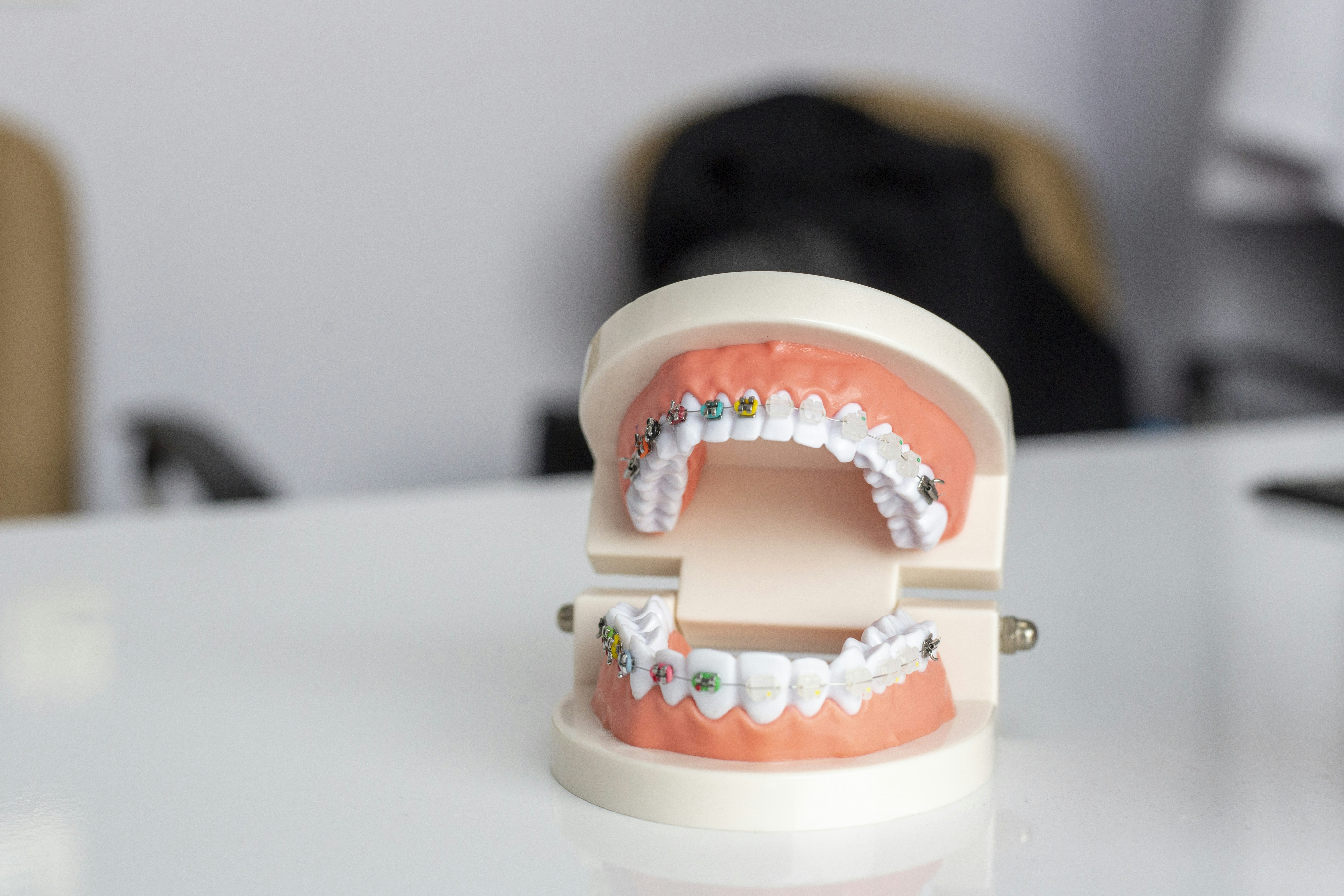
Why Are My Gums Bleeding?
The most common reason for bleeding gums is inflammation caused by plaque buildup along the gumline.
Plaque is a sticky layer of bacteria that continuously forms on teeth. When it is not removed effectively through brushing and cleaning between the teeth, it can irritate the gums.
This may cause:
- Red or swollen gums
- Bleeding while brushing
- Bleeding while flossing
- Gum tenderness
- Persistent bad breath
- Plaque and tartar buildup
The early stage of gum inflammation is called gingivitis. If it is left untreated, gum disease can progress to periodontitis, which can affect the tissues and bone supporting the teeth.
8 Common Causes of Bleeding Gums
1. Gingivitis
Gingivitis is one of the most common causes of bleeding gums.
It occurs when plaque accumulates around the teeth and gumline, causing inflammation.
You may notice:
- Bleeding during brushing
- Red gums
- Swollen gums
- Tenderness
- Bad breath
Early-stage gingivitis can often be managed with professional dental cleaning and improved oral hygiene.

2. Plaque and Tartar Buildup
Plaque that remains on the teeth can harden into tartar or dental calculus.
Unlike soft plaque, hardened tartar cannot be completely removed with ordinary brushing at home.
Professional teeth cleaning and scaling may therefore be required.
If you are searching for dental cleaning in Varthur, a dental examination can help determine whether plaque, tartar or gum inflammation is contributing to your symptoms.
3. Brushing Too Hard
Bleeding gums do not always mean that you have gum disease.
Brushing aggressively, particularly with a hard-bristled toothbrush, can irritate the gum tissue.
Use a soft-bristled toothbrush and gentle brushing movements rather than applying excessive pressure.
4. Incorrect Flossing Technique
Flossing is an important part of oral hygiene, but forcing floss between the teeth or snapping it against the gums can cause irritation.
If you have recently started flossing and notice mild bleeding, improving your technique may help.
However, persistent bleeding while flossing should not be ignored.
5. Periodontitis
If gum inflammation progresses, it can affect the tissues that support your teeth.
This more advanced condition is called periodontitis.
Possible symptoms include:
- Persistent bleeding gums
- Gum recession
- Persistent bad breath
- Pus around the gums
- Loose teeth
- Pain or discomfort while chewing
- Changes in the position of teeth
- Increased spaces between teeth
Periodontitis requires professional dental evaluation and treatment.
6. Smoking and Tobacco Use
Smoking and tobacco use can negatively affect gum health and increase the risk of periodontal problems.
People who use tobacco and experience persistent bleeding, swelling or bad breath should consider getting their gums examined by a dentist.
7. Hormonal Changes
Hormonal changes can make some people more susceptible to gum inflammation.
For example, hormonal changes during pregnancy can increase gum sensitivity in some individuals.
Maintaining good oral hygiene and having appropriate dental check-ups can help manage these changes.
8. Certain Medical Conditions and Medications
Some medical conditions and medications can affect bleeding or gum health.
If your gums bleed frequently despite maintaining good oral hygiene, your dentist may recommend additional evaluation to identify the underlying cause.
Is Bleeding While Brushing a Sign of Gum Disease?
It can be.
Bleeding during brushing is commonly associated with inflamed gums, particularly when accompanied by redness, swelling, plaque buildup or bad breath.
However, bleeding can also result from brushing too aggressively or using an unsuitable toothbrush.
The important point is that regular gum bleeding should not be considered normal.
A dental examination can help determine whether the problem is caused by gingivitis, tartar, periodontal disease or another factor.
What Happens If Bleeding Gums Are Ignored?
Early gum inflammation may seem minor, but untreated gum disease can become progressively more serious.
A simplified progression can look like:
Plaque buildup → Gingivitis → Periodontitis → Damage to supporting tissues and bone → Tooth mobility → Possible tooth loss
Not everyone with bleeding gums will develop advanced periodontal disease. However, persistent symptoms deserve professional assessment.
Early detection generally gives you more options for managing the problem.
How Is Gum Disease Diagnosed?
A dentist will examine your teeth and gums to identify signs of inflammation and periodontal problems.
Depending on your symptoms, the examination may include:
- Checking gum colour and swelling
- Looking for plaque and tartar
- Assessing gum bleeding
- Measuring periodontal pockets
- Checking for gum recession
- Checking tooth mobility
- Evaluating existing dental restorations
- Taking dental X-rays when clinically necessary
This helps determine whether you have simple gum inflammation or a more advanced periodontal condition.

Bleeding Gums Treatment in Varthur
Treatment depends on why your gums are bleeding and how advanced the problem is.
Professional Dental Cleaning
If plaque and tartar are contributing to gum inflammation, your dentist may recommend professional cleaning.
Scaling and polishing can help remove deposits that cannot be effectively removed with normal brushing.
After cleaning, your dentist can also advise you on maintaining your oral hygiene at home.
Treatment for Gingivitis
If bleeding is caused by gingivitis, treatment may involve:
- Professional cleaning
- Improved brushing technique
- Daily interdental cleaning
- Oral hygiene instructions
- Regular dental examinations
Early management is important because gingivitis can progress if the underlying cause is not addressed.
Periodontal Treatment
Patients with more advanced gum disease may require periodontal treatment.
The treatment approach depends on the extent of gum inflammation, periodontal pocketing, bone involvement and other clinical findings.
Your dentist will recommend the appropriate treatment after examination.
How to Prevent Bleeding Gums
Good daily oral hygiene can significantly contribute to healthier gums.
Brush twice a day
Brush your teeth for approximately two minutes using a soft-bristled toothbrush and gentle technique.
Clean between your teeth
Use floss or an interdental cleaning method recommended by your dentist.
Do not brush aggressively
Applying excessive pressure does not make your teeth cleaner and may irritate the gums.
Don't ignore tartar
Once tartar has hardened on the teeth, professional cleaning may be necessary.
Maintain regular dental check-ups
Routine dental examinations can help identify gum problems before they become advanced.
Avoid tobacco
Avoiding smoking and tobacco products can support better oral and gum health.

When Should You See a Dentist for Bleeding Gums?
You should consider scheduling a dental examination if you experience:
- Frequent bleeding while brushing
- Persistent bleeding while flossing
- Swollen or red gums
- Gum tenderness
- Persistent bad breath
- Gum recession
- Pus around the gums
- Loose teeth
- Pain while chewing
- Significant tartar buildup
If the bleeding is heavy, spontaneous or associated with unexplained bruising or bleeding elsewhere, medical evaluation may also be appropriate.
Bleeding Gums in Varthur: Get Your Gums Checked
If you are searching for gum disease treatment in Varthur or a dentist for bleeding gums near Varthur, it is important to identify the underlying cause rather than simply treating the bleeding.
At Dr. Anju's Smile Aura Dental Clinic and Implant Hub, Varthur, patients can receive a comprehensive dental examination and personalised treatment recommendations.
Our dental services include:
- Dental examination
- Professional teeth cleaning
- Scaling and polishing
- Gum disease evaluation and management
- Root canal treatment
- Dental crowns
- Dental implants
- Dentures
- Braces
- Clear aligners
- Smile designing
- General dental care
Our approach is to identify the dental problem first and then recommend treatment according to the patient's individual needs.

Frequently Asked Questions About Bleeding Gums
Why do my gums bleed when I brush?
The most common cause is inflammation related to plaque buildup. Other possible causes include brushing too hard, improper flossing, tartar buildup and periodontal disease.
Is it normal for gums to bleed while brushing?
Regular gum bleeding is not generally considered a sign of healthy gums. If your gums frequently bleed while brushing, it is worth having them examined by a dentist.
Should I stop brushing if my gums bleed?
No. Stopping brushing can allow more plaque to accumulate. Instead, use a soft-bristled toothbrush and gentle technique. If bleeding continues, consult a dentist.
Can bleeding gums be cured?
The treatment depends on the underlying cause. Plaque-related gingivitis can often improve with professional cleaning and better oral hygiene. More advanced gum disease may require periodontal treatment.
Can tartar cause bleeding gums?
Yes. Tartar can accumulate around the gumline and contribute to gum inflammation and bleeding. Professional dental cleaning may be required to remove it.
Can gum disease cause bad breath?
Yes. Plaque, bacteria and gum disease can contribute to persistent bad breath.
Can gum disease cause tooth loss?
Advanced periodontal disease can damage the tissues and bone supporting teeth and may eventually contribute to tooth mobility and tooth loss.
How often should I get my teeth cleaned?
There is no single cleaning interval that is appropriate for everyone. Your dentist can recommend a schedule based on your oral hygiene, tartar buildup and gum health.
Can bleeding gums be caused by vitamin deficiency?
Certain nutritional deficiencies can contribute to bleeding problems, but plaque-related gum inflammation is a common dental cause. Persistent bleeding should be evaluated rather than assuming that a vitamin deficiency is responsible.
Takeaway: Don't Ignore Persistent Bleeding Gums
Bleeding gums are a symptom worth paying attention to.
While occasional bleeding can have a simple explanation, frequent or persistent bleeding may indicate gingivitis, tartar buildup or periodontal disease.
Getting your gums examined early can help identify the cause and allow appropriate treatment before the condition becomes more advanced.
If you are looking for bleeding gums treatment in Varthur, gum disease treatment in Varthur or a dentist near Varthur and Whitefield, Dr. Anju's Smile Aura Dental Clinic and Implant Hub can evaluate your oral health and recommend an appropriate treatment plan.
Dr. Anju's Smile Aura Dental Clinic and Implant Hub
📍 Varthur, Whitefield, Bengaluru
🕖 10:00 AM – 8:00 PM
🌐 smileauradental.in
Book a dental consultation if your gums are bleeding regularly.